
50 women with disabilities in Kogi State have benefited from a two-day capacity-building training on climate change adaptation, with a focus on flood preparedness and disaster response.
The training, organised by the Neil Life Foundation for People With Disability, is aimed at equipping participants with practical knowledge on how climate change affects women and girls with disabilities and how they can adapt to its impacts.
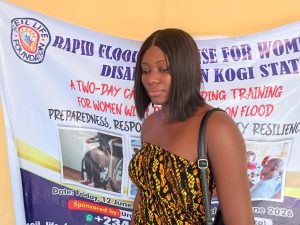
Speaking during the programme, the Executive Director of the foundation, Faith Ekwo Owoloyi, described climate change as a global phenomenon that cannot be controlled by individuals or organisations but requires adaptive strategies to mitigate its effects.
She explained that the training, which marks the first phase of the initiative, is designed to educate members of the disability community on how to respond to climate-related challenges such as heatwaves and flooding.
“Climate change is real and its impact is being felt globally. This year, 2026, we have experienced extreme heat. For women and girls with disabilities, we are teaching them simple but effective ways to cope, such as maintaining personal hygiene through regular bathing, ensuring proper ventilation in their homes, and fumigating their environment to prevent reptiles,” she said.
Owoloyi further noted that flooding remains a major challenge in Kogi State during the rainy season, adding that participants were trained on safety measures, including the use of umbrellas, relocation from flood-prone areas, and adherence to early warning signals issued by relevant agencies such as NiMet, NEMA, and SEMA.
She commended the Kogi State Government for its efforts in promoting the welfare of persons with disabilities but called for increased support to address their unique challenges.
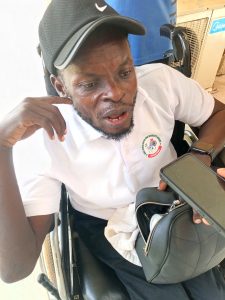
Also speaking, the Executive Secretary of the Kogi State Office for Disability Affairs (KOSODA), Yakubu Nazir Abdulhakeem, described the training as timely and impactful.
He said the initiative would empower participants with the knowledge needed to withstand natural disasters, particularly flooding, which poses significant risks to persons with disabilities.
“This training is a commendable innovation not just in Kogi State but across Nigeria. It is encouraging to see a person with disability establishing an NGO to support others within the community. I urge participants to make good use of the knowledge gained to protect themselves during emergencies,” he said.
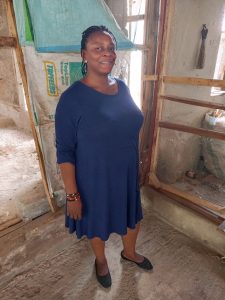
Speaking after the training, one of the participants Ozichu Joy Achamajah, described the programme as highly impactful, noting that it enhanced her understanding of flood warning signs, emergency planning, and safety measures necessary to protect lives and property.
“My major take-home from the training is the importance of disaster preparedness and flood risk management. I learned how to identify flood warning signs, protect lives and property, and ensure that women with disabilities are included in disaster response and recovery efforts”
She further explained that the knowledge gained would significantly benefit her poultry business, especially in mitigating losses during flooding.
According to her, the training provided practical strategies such as improving drainage systems around poultry farms, safeguarding feed and equipment, and developing emergency response plans to protect livestock.
“This training will help me maintain my business, minimize losses, and improve productivity even during challenging weather conditions,” she added.
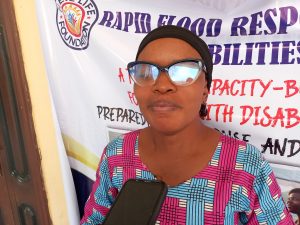
Another participants, Esther Omayoza Samuel, expressed appreciation to the organisers, describing the training as enlightening and transformative.
She said the programme had exposed participants to practical steps to take during floods, excessive heat, and other disasters, while also boosting their confidence.
“This training is an eye-opener. I have learned a lot about how to respond to environmental challenges. It has also given me the confidence that I can achieve many things despite my visual impairment,” she said.
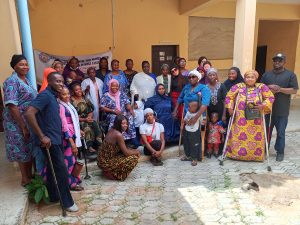
The training underscores the growing need for inclusive climate action that addresses the vulnerabilities of persons with disabilities, particularly women, in the face of increasing environmental challenges.