

2027: Stakeholders Unite Against Technology-Facilitated GBV
Stephen Olufemi Oni, Ilorin
Stakeholders, including representatives of security agencies, civil society organisations, electoral officials, traditional chiefs, and media practitioners, have converged on Ilorin, the Kwara State capital, for a multi-stakeholders’ dialogue on Technology-Facilitated Gender-Based Violence (TFGBV).
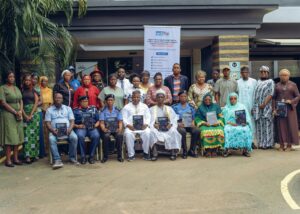 Participants at the important forum warned that the growing menace of TFGBV poses a great threat to women’s participation in the forthcoming 2027 general elections.
The multi-stakeholders’ dialogue was organised by the Webfala Digital Skills for All Initiative (WDSFAI) as part of its “Digital Voices: Empowering Nigerian Women Against TFGBV” initiative, supported by the Urgent Fund for Africa.
The event follows a workshop held last month that brought together young women in politics, public leadership, and the media to examine the impacts of TFGBV on women and its potential consequences for their electoral participation.
Speaking on the process of reporting gender-based violence cases, ASP Fatima Isa, Head of the Gender Unit of the Nigeria Police Force, Kwara State Command, outlined the steps taken when survivors approach the police, including private listening sessions, evidence admission, statement-taking, and the commencement of investigations.
She urged victims to document all evidence and resist the urge to delete it, stressing that reporting is not the end of the process but the beginning of the journey towards justice.
“Victims should not stay silent. They should report to law enforcement agencies as soon as the violence is committed. We are ready to listen, and we are ready to act,” ASP Isa said, adding that the police are fully prepared to provide protection for women before, during, and after the 2027 general elections.
Dr. Adeleye Abosede, Programme Manager at Olive Community Development Initiative (OCDI) identified fear of stigmatisation, deep-rooted patriarchal norms that normalise gender-based violence, concerns about privacy breaches, and distrust of the justice system as some of the reasons many victims of TFGBV choose not to report their experiences.
While urging survivors to report to law enforcement agencies and organisations handling GBV cases without fear, Abosede said: “We must stop being judgmental toward survivors. The burden of shame belongs to the perpetrator, not the victim. We must listen to them, assess their cases and determine the appropriate interventions to be carried out.”
The Head of the Gender Unit at the Independent National Electoral Commission (INEC) in Kwara State, Mr. Ohiani Albert, raised alarm over the disproportionate impact of TFGBV on electoral participation, noting that women constitute a larger percentage of the electorate and that technology-facilitated violence could significantly undermine their ability and willingness to engage in the electoral process.
Albert called on INEC to formally classify TFGBV as a form of electoral violence, attracting severe consequences for perpetrators. He also disclosed that INEC would consider conducting digital safety training for women aspirants and confirmed that the commission would collaborate with fact-checking organisations to address the growing threats posed by fake news and deepfakes to the integrity of the electoral system.
Mrs. Dada Racheal, Head of the Gender Unit at the Kwara State Command of the Nigeria Security and Civil Defence Corps (NSCDC), encouraged victims to confide in trusted persons and report to security agencies, while also advising young people to be mindful of the personal information and location data they share online.
Obasa Olubanke, a reporter at Flow FM Ilorin, urged journalists to prioritise the protection of survivors’ identities in their coverage, cautioning against the circulation of pictures, videos, or information that could further violate or endanger victims.
“We must put ourselves in the shoes of survivors. The craze for traction and engagement must never push the media into becoming instruments of further harm,” she said.
In her remarks, the Kwara State Commissioner for Women Affairs, Chief (Mrs) Opeyemi Afolashade, said the multi-stakeholder dialogue underscored the urgent need for coordinated action among government agencies, civil society, the media, and security forces to combat TFGBV and create a safer environment for women’s political participation ahead of the 2027 elections.
She also restated the commitment of the state government to eliminating all forms of GBV through strengthened response mechanisms, improved support for survivors, intensified public awareness campaigns, and collaboration with stakeholders to ensure enforcement of relevant laws.