

Institute champions cultural humility, trauma-informed care, ethical practice and professional recognition as experts converge in Delta State
The Chartered Institute of Social Work Practitioners of Nigeria has reinforced its commitment to professional excellence, ethical responsibility and compassionate service delivery with the successful hosting of its 17th International Conference on Social Work 2026 in Asaba, Delta State.
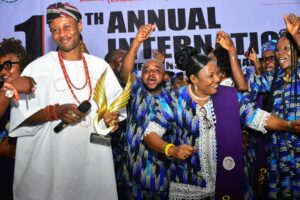 The week-long international conference, held from November 2 to 7, 2026, brought together social work practitioners, government representatives, international partners, educators, students and other critical stakeholders from across Nigeria and beyond to deliberate on emerging challenges and transformative approaches to social work practice.
With the theme, “Cultural Humility and Trauma-Informed Care in Social Work,” the conference provided a strategic platform for intellectual engagement, professional development, knowledge exchange and renewed commitment to protecting vulnerable individuals and communities through competent, ethical and evidence-based interventions.
In her welcome address, the Registrar of the Institute described the gathering as more than an annual professional meeting, characterising it as an opportunity for reflection, renewal and recommitment to the fundamental values of professional caregiving.
She emphasised that cultural humility was indispensable to effective social work in a culturally diverse country like Nigeria, where more than 250 ethnic groups, different religious beliefs, languages and worldviews shape how individuals experience pain, seek assistance and understand healing.
According to her, social workers must approach individuals, families and communities with openness, respect and a willingness to learn, stressing that interventions must be built on partnership rather than imposed assumptions.
Addressing the trauma-informed dimension of the conference theme, the Registrar identified communal conflicts, gender-based violence, displacement, insecurity, child abuse, economic hardship and mental health challenges as some of the realities confronting social work practitioners in contemporary Nigeria.
She advocated a paradigm shift from asking vulnerable individuals what was wrong with them to understanding what they had experienced and how professional support could facilitate safe recovery, restore dignity and promote empowerment.
The Registrar also delivered a strong message on professionalism, declaring that social work must no longer be treated as an unregulated activity driven solely by goodwill.
She maintained that the Institute, established by law to regulate, standardise and uphold the integrity of social work practice in Nigeria, would continue to strengthen professional standards through competence, ethical accountability, licensing and mandatory continuous professional development.
She further stressed the need for chartered social workers to receive appropriate recognition, employment opportunities, remuneration and protection across ministries, hospitals, schools, non-governmental organisations and correctional institutions.
In her keynote leadership message, the National President and Chairman-in-Council, Professor Oluwayemisi Obashoro-John, FSOW, FSM, DFISN, described the conference as a demonstration of the collective determination of social work professionals and their partners to deliver quality services to individuals and communities experiencing vulnerability, trauma and hardship.
She called on practitioners to remain unbiased, compassionate, professionally curious and committed to lifelong learning, while ensuring that clients are treated with dignity, allowed to make informed choices and supported in safe, non-judgmental environments.
Professor Obashoro-John observed that widening inequality, poverty, violent conflicts, forced displacement, discrimination, irregular migration and prevailing economic and political uncertainties had intensified the demand for responsive and effective social work interventions.
She urged practitioners to strengthen trust, transparency, collaboration and informed decision-making while avoiding actions capable of re-traumatising the people they are professionally mandated to support.
The National President also challenged participants to return to their respective communities with renewed determination to restore hope to forgotten and traumatised populations, insisting that integrity, discipline, courage, humility, honesty, kindness, responsibility and patience must remain enduring attributes of the profession.
She expressed appreciation to the Institute’s partners, government officials, stakeholders and all individuals whose contributions, resources and sacrifices facilitated the conference.
The 17th International Conference is a significant reaffirmation of the Institute’s determination to reposition social work as a highly respected, regulated and indispensable profession in Nigeria’s human development architecture.
Beyond the exchange of ideas, the conference underscores the urgent need for a professional workforce equipped to confront contemporary social challenges with cultural intelligence, psychological sensitivity, technical competence and unwavering respect for human rights.
As the conference concludes in Asaba, its central message remains compelling: effective social work is not merely about offering assistance; it is about understanding human experiences, restoring dignity, protecting the vulnerable and creating pathways to sustainable healing and social transformation.
The Chartered Institute of Social Work Practitioners of Nigeria has once again placed professional care, human dignity and social responsibility at the forefront of national development.
Long live the practice of social work!
Long live the Chartered Institute of Social Work Practitioners of Nigeria!
Long live the Federal Republic of Nigeria!