

UNILORIN Don Urges Separation Of Religion From Governance
Stephen Olufemi Oni, Ilorin
A Professor of Religious Studies at the University of Ilorin, Akiti Glory Alamu, has stressed the need to separate religion from governance and political decision-making, arguing that the move would go a long way in reducing religious tension and fostering national unity.
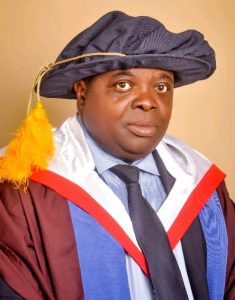 Professor Alamu made the call while delivering the University’s 304th Inaugural Lecture titled, “The Six Blind Men and the Nigerian Elephant”.
He called for proper enlightenment and engagements with both the religious leaders and government officials, saying a deeper understanding of religion, society and humanity would provide the moral direction needed to address Nigeria’s challenges.
He added: “Across major world religions, enlightenment is the ultimate goal of spiritual practice. It represents how a person sees self, the world and the divine.”
The scholar also advocated the privatisation of religion, urging public office holders to keep personal religious beliefs separate from government institutions, schools and political processes.
He said: “Every religious stakeholder and governmental functionary should exclude religion from public offices, schools and political decision-making.”
Professor Alamu lamented the limited impact of interfaith engagements in the country and called for renewed commitment to dialogue among religious leaders as a means of promoting mutual respect and peaceful coexistence in Nigeria’s diverse society.
He further urged the Federal Government to strengthen the Nigerian Inter-Religious Council (NIREC) by granting it greater constitutional backing and the political authority required to effectively carry out its peacebuilding mandate.
Citing examples from countries where places of worship of different faiths coexist peacefully, he encouraged Nigerians to embrace religious tolerance and celebrate diversity without violence.
The don also praised the work of the Interfaith Mediation Centre in Kaduna, founded by Imam Muhammad Ashafa and Pastor James Wuye, describing their transformation from former adversaries to peace advocates as a model worthy of emulation.
He added that comparative religious scholars should play a greater role in cultural diplomacy by promoting understanding, tolerance and cooperation among different faith communities.
On Nigeria’s electoral process, Professor Alamu argued that political leadership should be determined through democratic choices rather than religious expectations.
“In recent times, we hear that ‘God will choose leaders for us’ and ‘we should pray for good leaders.’ Both theologians and democrats should excuse God from the Nigerian political process because He does not intrude in politics,” he said.
Addressing insecurity, the professor maintained that tackling terrorism, banditry, kidnapping and other violent crimes requires stronger collaboration between security agencies and local communities, supported by modern information technology.
He expressed confidence that improved security coordination, backed by community participation and technological innovation, would significantly enhance efforts to restore peace and stability across the country.