

Food Security: KWACReSAL Partners IITA, NAERLS
Stephen Olufemi Oni, Ilorin
The Kwara State Agro-Climatic Resilience in Semi-Arid Landscapes (KWACReSAL) Project has reiterated its commitment to improving agricultural productivity and strengthening farmers’ resilience to climate change through series of strategic engagements.
This, according to a statement by the spokesperson of KWACReSAL,
Okanlawon Taiwo, would culminate in a comprehensive Training of Trainers for Agricultural Extension Agents (EAs) and selected farmers from the project’s three catchment areas.
 To ensure its seamless realization, KWACReSAl is partnering the
International Institute of Tropical Agriculture (IITA), Ibadan and the National Agricultural Extension and Research Liaison Services (NAERLS), Ahmadu Bello University, Zaria, to advance Climate-Smart Agriculture in Kwara State.
Ahead of the commencement of the training, a delegation from the National Agricultural Extension and Research Liaison Services (NAERLS), Ahmadu Bello University, Zaria, and the International Institute of Tropical Agriculture (IITA), Ibadan, last week held a one-day technical meeting with the KWACReSAL State Project Management Unit (SPMU) to review implementation strategies and provide updates on the climate-smart agriculture interventions to be rolled out under the ACReSAL Project.
The meeting focused on the establishment of demonstration plots, Farmer Field Schools, certified seed production, extension delivery mechanisms, digital monitoring systems and implementation timelines, ensuring that all stakeholders were fully aligned before field activities commenced.
The delegation thereafter paid separate courtesy visits on the managements of the Ministries of Environment and Agriculture and Rural Development to strengthen institutional collaboration and solicit government support for the successful implementation of the intervention.
The technical engagements paved way for the Training of Trainers organised by KWACReSAL in collaboration with NAERLS and IITA at the KWACReSAL State Project Management Unit Office, GRA, Ilorin.
Speaking at the opening of the training, the State Project Coordinator of KWACReSAL, Alhaji Shamsideen Olatunbosun Aregbe, described the programme as a strategic investment in the future of agriculture in Kwara State, noting that the success of the ACReSAL Project depends largely on knowledgeable extension agents’ enhanced capacity of transferring climate-smart technologies to farmers across the state
Alhaji Aregbe welcomed participants drawn from agricultural institutions, extension services, local government areas and farming communities, urging them to take full advantage of the opportunity to acquire practical skills that would improve productivity and strengthen resilience against climate change.
He explained that the training was deliberately designed to expose participants to innovative agricultural technologies and best practices that would increase crop yields, improve soil health and ensure better harvests despite the growing challenges posed by changing weather patterns.
Alhaji Aregbe stressed that Extension Agents remain the critical link between research institutions and farming communities, adding that they are expected to provide continuous technical guidance, mentorship and follow-up support to farmers throughout the implementation period.
He urged participants to pay close attention to every presentation, adhere strictly to recommended agronomic practices and replicate the knowledge gained within their respective communities to achieve the desired multiplier effect.
Expressing confidence in the competence of the resource persons from NAERLS and IITA, the State Project Coordinator said the collaboration reflects the commitment of the ACReSAL Project to deploying globally accepted, science-based and climate-resilient agricultural solutions capable of transforming livelihoods and improving food security in Kwara State.
During the technical sessions, Engineer Luqman Durojaiye of NAERLS explained that climate change has continued to alter traditional farming systems through erratic rainfall, prolonged dry spells and declining soil productivity, making the adoption of climate-smart agricultural practices imperative.
He stated that the intervention would utilise Farmer Field Schools, Mother Demonstration Plots, Baby Demonstration Plots and Local Government Demonstration Farms as practical learning centres where farmers would observe, evaluate and adopt improved technologies suitable for their local environments.
The NAERLS resource person emphasised that selecting technologies based on prevailing soil and climatic conditions remains essential for achieving sustainable agricultural productivity, while also highlighting the importance of collaboration among extension agents, researchers, local government authorities and farming communities.
Also presenting at the training, IITA resource person, Dr. Akeem Ajeigbe, unveiled the implementation strategy for the establishment of demonstration plots across participating Local Government Areas.
He explained that each of Local Government Area would have a centrally located Mother Demonstration Plot supported by twenty-five Baby Demonstration Plots to facilitate practical learning and rapid adoption of climate-smart technologies by farmers.
Dr. Akeem disclosed that designated Extension Experts would supervise the demonstration plots, provide technical guidance and monitor implementation throughout the farming season, while digital reporting applications and virtual training platforms would be deployed to strengthen monitoring, evaluation and communication.
He encouraged Extension Agents to acquire basic digital skills and effectively utilise the reporting platforms, assuring participants that IITA would provide the necessary operational manuals, technical support and continuous capacity building.
The IITA expert further reaffirmed the institute’s commitment to working closely with NAERLS, KWACReSAL and other technical partners to deploy improved crop varieties, promote certified community seed production, encourage microdosing fertiliser application and strengthen sustainable farming systems across the project’s catchment communities.
He noted that the intervention, expected to span an initial implementation period of ten months, would focus on improving farmers’ resilience, increasing agricultural productivity and establishing sustainable climate-smart farming practices capable of delivering long-term benefits to rural communities.
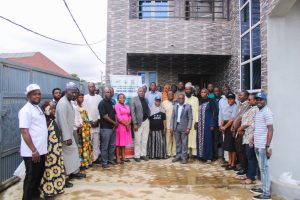
Part of the participants includes, delegates from Ministry of Environment, Water Resources, Agricutural and Rural Development, KWADP and the ACReSAL Techinical team.
*Okanlawon Taiwo*
KWACReSAL
07030113331
Ahead of the commencement of the training, a delegation from the National Agricultural Extension and Research Liaison Services (NAERLS), Ahmadu Bello University, Zaria, and the International Institute of Tropical Agriculture (IITA), Ibadan, had recently held a one-day technical meeting with the KWACReSAL State Project Management Unit (SPMU) to review implementation strategies and provide updates on the climate-smart agriculture interventions to be rolled out under the ACReSAL Project.
The meeting focused on the establishment of demonstration plots, Farmer Field Schools, certified seed production, extension delivery mechanisms, digital monitoring systems and implementation timelines, ensuring that all stakeholders were fully aligned before field activities commenced.
The delegation thereafter paid separate courtesy visits on the managements of the Ministries of Environment and Agriculture and Rural Development to strengthen institutional collaboration and solicit government support for the successful implementation of the intervention.
The technical engagements paved way for the Training of Trainers organised by KWACReSAL in collaboration with NAERLS and IITA at the KWACReSAL State Project Management Unit Office, GRA, Ilorin.
Speaking at the opening of the training, the State Project Coordinator of KWACReSAL, Alhaji Shamsideen Olatunbosun Aregbe, described the programme as a strategic investment in the future of agriculture in Kwara State, noting that the success of the ACReSAL Project depends largely on knowledgeable extension agents’ enhanced capacity of transferring climate-smart technologies to farmers across the state
Alhaji Aregbe welcomed participants drawn from agricultural institutions, extension services, local government areas and farming communities, urging them to take full advantage of the opportunity to acquire practical skills that would improve productivity and strengthen resilience against climate change.
He explained that the training was deliberately designed to expose participants to innovative agricultural technologies and best practices that would increase crop yields, improve soil health and ensure better harvests despite the growing challenges posed by changing weather patterns.
Alhaji Aregbe stressed that Extension Agents remain the critical link between research institutions and farming communities, adding that they are expected to provide continuous technical guidance, mentorship and follow-up support to farmers throughout the implementation period.
He urged participants to pay close attention to every presentation, adhere strictly to recommended agronomic practices and replicate the knowledge gained within their respective communities to achieve the desired multiplier effect.
Expressing confidence in the competence of the resource persons from NAERLS and IITA, the State Project Coordinator said the collaboration reflects the commitment of the ACReSAL Project to deploying globally accepted, science-based and climate-resilient agricultural solutions capable of transforming livelihoods and improving food security in Kwara State.
During the technical sessions, Engineer Luqman Durojaiye of NAERLS explained that climate change has continued to alter traditional farming systems through erratic rainfall, prolonged dry spells and declining soil productivity, making the adoption of climate-smart agricultural practices imperative.
He stated that the intervention would utilise Farmer Field Schools, Mother Demonstration Plots, Baby Demonstration Plots and Local Government Demonstration Farms as practical learning centres where farmers would observe, evaluate and adopt improved technologies suitable for their local environments.
The NAERLS resource person emphasised that selecting technologies based on prevailing soil and climatic conditions remains essential for achieving sustainable agricultural productivity, while also highlighting the importance of collaboration among extension agents, researchers, local government authorities and farming communities.
Also presenting at the training, IITA resource person, Dr. Akeem Ajeigbe, unveiled the implementation strategy for the establishment of demonstration plots across participating Local Government Areas.
He explained that each of Local Government Area would have a centrally located Mother Demonstration Plot supported by twenty-five Baby Demonstration Plots to facilitate practical learning and rapid adoption of climate-smart technologies by farmers.
Dr. Akeem disclosed that designated Extension Experts would supervise the demonstration plots, provide technical guidance and monitor implementation throughout the farming season, while digital reporting applications and virtual training platforms would be deployed to strengthen monitoring, evaluation and communication.
He encouraged Extension Agents to acquire basic digital skills and effectively utilise the reporting platforms, assuring participants that IITA would provide the necessary operational manuals, technical support and continuous capacity building.
The IITA expert further reaffirmed the institute’s commitment to working closely with NAERLS, KWACReSAL and other technical partners to deploy improved crop varieties, promote certified community seed production, encourage microdosing fertiliser application and strengthen sustainable farming systems across the project’s catchment communities.
He noted that the intervention, expected to span an initial implementation period of ten months, would focus on improving farmers’ resilience, increasing agricultural productivity and establishing sustainable climate-smart farming practices capable of delivering long-term benefits to rural communities.
Part of the participants includes, delegates from Ministry of Environment, Water Resources, Agricutural and Rural Development, KWADP and the ACReSAL Techinical team.